


Top 5 Countries for POLO Shirt Manufacturing (Pros & Cons)
As the demand for high-quality custom POLO shirts continues to grow, brand owners, startups, and sourcing managers face a crucial decision: where should we manufacture? Global apparel production hubs each offer unique benefits and trade-offs in terms of quality, cost, lead time, flexibility, and communication.
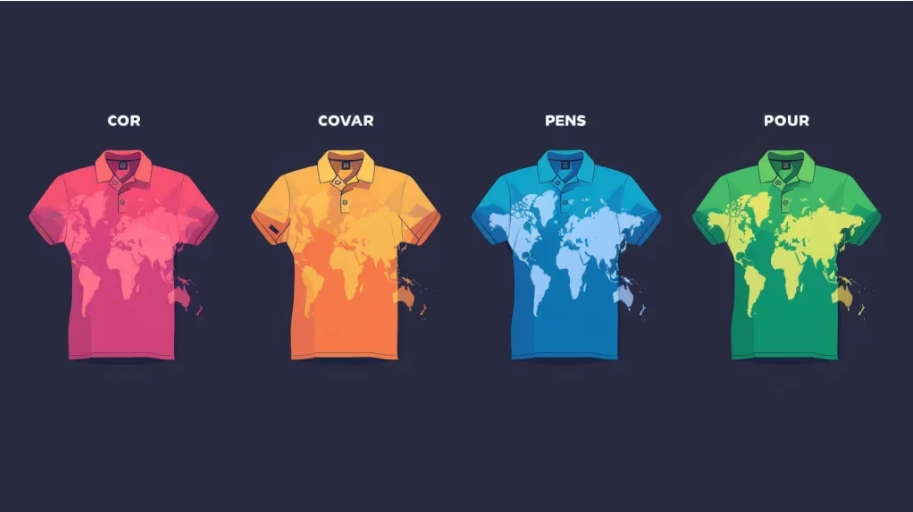
To help you navigate the global supply chain, we’ve broken down the top 5 countries for POLO shirt manufacturing, analyzing the pros and cons of each. Whether you’re building a premium lifestyle brand or supplying uniforms for a corporate event, understanding the regional strengths can save you time, money, and stress.
1. China: Scale, Speed & Versatility
Pros:
Massive production capacity: Ideal for scaling quickly.
Strong fabric sourcing networks: Access to diverse cotton, polyester, and blended materials.
Advanced technology: High automation in cutting, dyeing, and embroidery.
Competitive pricing: Especially for larger volumes.
Flexible MOQs: Many factories now support small to medium orders.
Cons:
Language/cultural barriers: May require a sourcing agent or liaison.
Lead time fluctuations: Especially around Chinese New Year or export congestion.
Sustainability concerns: Some factories lack eco-certifications (though this is changing rapidly).
Best for: Brands needing speed, scalability, and variety in fabrics and finishes.
2. Bangladesh: Cost Leadership with Growing Quality
Pros:
Lowest labor costs among top producers: Very cost-efficient.
Growing expertise in knitwear: Including POLO shirts and T-shirts.
Improving compliance: Many large factories are now WRAP, BSCI, and OEKO-TEX certified.
Government export incentives: Lower duties for many countries.
Cons:
Longer lead times: Logistics and customs can slow delivery.
Limited small-order flexibility: MOQs are often higher.
Communication gaps: Requires clear tech packs and guidance.
Best for: Price-sensitive bulk orders with less urgency on delivery.
3. Vietnam: Balance of Quality and Efficiency
Pros:
Skilled workforce: Known for precision and attention to detail.
Modern factories: Many with LEED certifications and ethical practices.
Free trade agreements: Favorable export terms to the U.S. and EU.
Reliable infrastructure: Better shipping and port systems compared to Bangladesh.
Cons:
Higher labor costs than Bangladesh: But still affordable.
Limited raw material sourcing: Often imports fabric from China.
MOQ flexibility varies: Smaller brands may struggle with access.
Best for: Mid-size brands focused on quality and consistency.
4. India: Rich Textile Tradition & Organic Cotton Leader
Pros:
Strong cotton supply chain: Especially organic and Fair Trade cotton.
Deep textile heritage: Skilled in dyeing, embroidery, and hand finishes.
Price competitiveness: Especially for cotton-based POLOs.
Large domestic market: Can handle both export and domestic demand.
Cons:
Inconsistent quality control: Varies widely by region and factory.
Longer production cycles: Slower compared to East Asia.
Complex export process: May need an experienced freight partner.
Best for: Sustainable cotton-focused brands and boutique orders with storytelling appeal.
5. Turkey: Speed and Proximity to Europe
Pros:
Geographic advantage: Fast shipping to Europe and Middle East.
EU-friendly production standards: Ethical labor, high compliance.
Quick turnaround: Ideal for fast fashion and seasonal drops.
Strong in cotton blends and brushed knits: Great for fashion-forward POLOs.
Cons:
Higher costs than Asia: Especially for labor-intensive styles.
Limited scale for ultra-high volumes: Factories are often mid-sized.
Political and currency fluctuations: May affect pricing or reliability.
Best for: European brands seeking speed, compliance, and shorter supply chains.